Pay by Bank Is Coming for Card Volume — What Issuers and Acquirers Should Do Now
Account-to-account payments are quietly moving from European story to U.S. reality. How issuers, acquirers, and networks should position before pay-by-bank takes a meaningful slice of card volume.
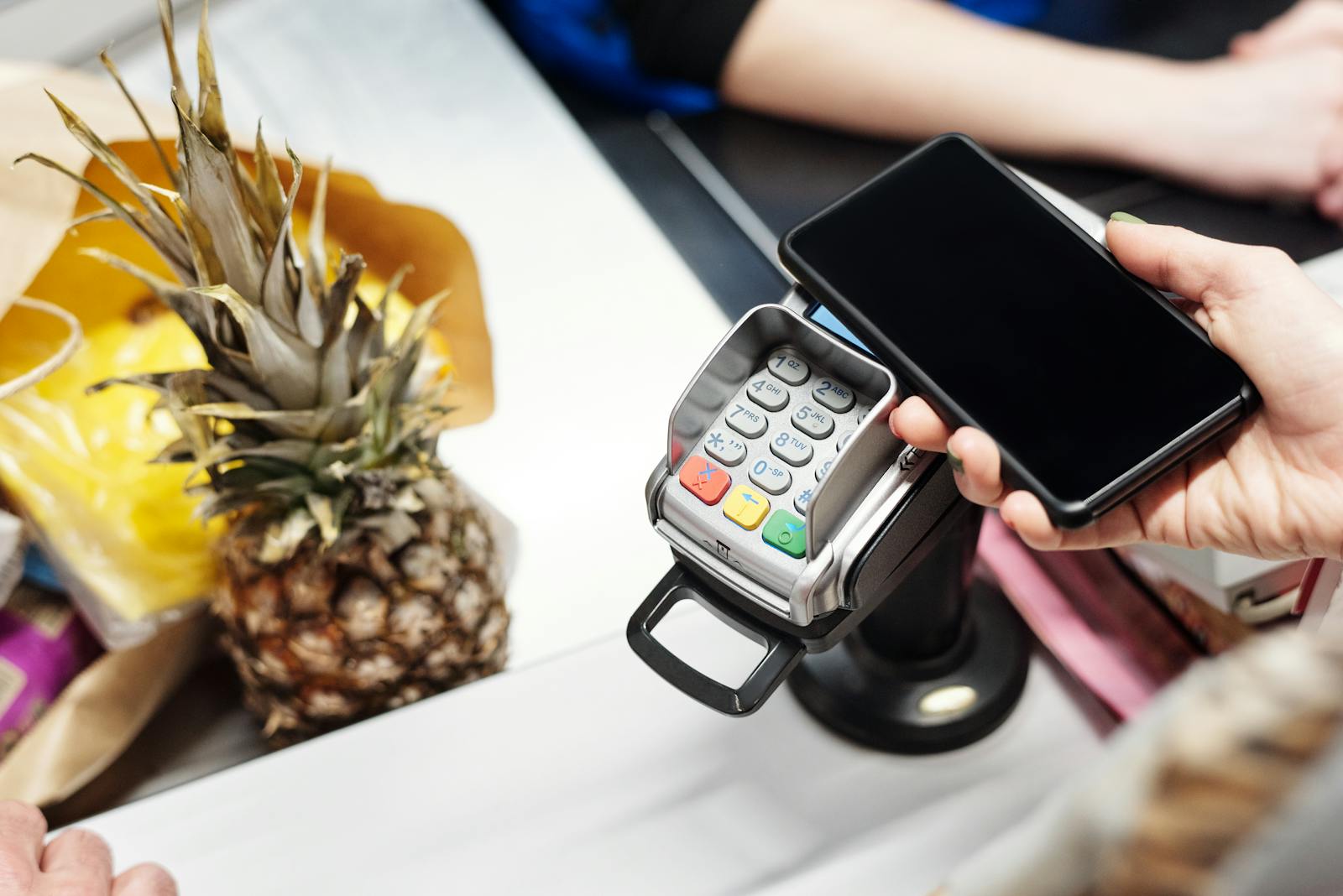
For years, "pay by bank" was a European story. PSD2, Open Banking in the UK, iDEAL in the Netherlands — useful evidence that account-to-account checkout could work, but easy for U.S. issuers and acquirers to file under "interesting, not relevant."
That filing has expired. With FedNow live, RTP volumes growing, U.S. open-banking data sharing maturing under the CFPB's 1033 framework, and several large merchants actively piloting bank-to-bank checkout, account-to-account payment is moving from European curiosity to U.S. plan-of-record. It will not replace cards. It will quietly take a slice of card volume — and the slices it takes are some of the most valuable ones.
Why Pay by Bank Is Different This Time
Three things are converging that were not all true a year ago:
- Real-time rails are real. FedNow and RTP are live, available at most large institutions, and increasingly available at the long tail of community banks and credit unions through aggregator partners.
- Open-banking access is normalizing. Authenticated, consented bank account access at the consumer level is no longer experimental — it is how a large share of fintech onboarding already works.
- Merchants have a real reason to push. Card acceptance economics have not improved, and several large recurring-billing and high-ticket merchants now see a credible path to meaningful basis-point savings if even 10–20% of their volume moves off cards.
Where Card Volume Is Most Exposed
Pay by bank will not show up evenly. The exposed segments share a few characteristics:
- High-ticket purchases where interchange dollars per transaction are large
- Recurring billing where the merchant controls the checkout and the customer is sticky
- Categories with thin merchant margins — utilities, telco, insurance, government
- Marketplaces where the platform pays acceptance costs and can re-architect checkout
What Issuers Should Be Doing
Issuers should be modeling this now, at the portfolio level, not waiting to see it in the data. The right questions:
- What share of our interchange revenue is concentrated in the exposed merchant categories above?
- Which co-brand and rewards programs are economically viable if 10–20% of that volume migrates?
- Where can we participate on the rail side — as a sending or receiving institution, fraud-and-risk service provider, or data partner — to recapture some of the economics we lose on cards?
What Acquirers and Networks Should Be Doing
Acquirers face a sharper version of the same question. Many already offer pay-by-bank in their gateway stacks, but as an add-on rather than a strategic positioning. The acquirers that will win the next cycle are the ones that can sell merchants a coherent multi-rail story — cards, A2A, and increasingly stablecoins — with one risk model and one reconciliation experience.
Networks have the most to lose and the most to invest. Both Visa and Mastercard have been visibly building A2A capabilities and acquiring open-banking infrastructure for exactly this reason.
The Quiet Inflection
Pay by bank in the U.S. will not arrive with a press release. It will show up as a slow, segment-by-segment drift in volume mix over the next 24 months. The institutions that have already done the modeling will look prescient. The ones that haven't will be running catch-up math in their next earnings cycle.